
WPCP vs SWPPP in California: Key Compliance Differences
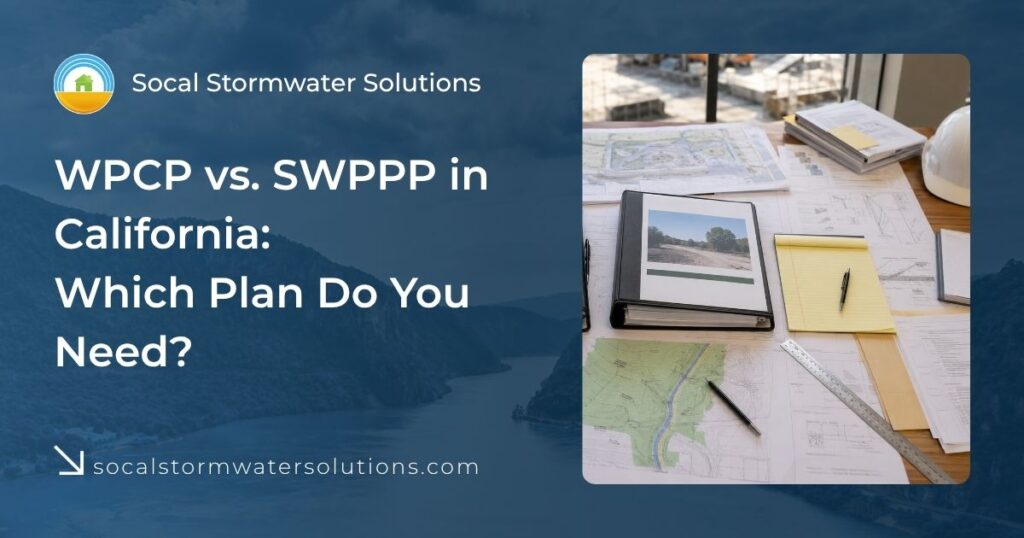
Understanding whether a project may involve Water Pollution Control Plans or a Stormwater Pollution Prevention Plan (SWPPP) is an important step before construction activities begin. Selecting the appropriate documentation pathway early can help contractors, developers, engineers, and project managers coordinate planning requirements, reduce documentation delays, and align with applicable agency expectations. A Water Pollution Control […]
SWPPP Consultant Los Angeles | SMARTS & Compliance Services
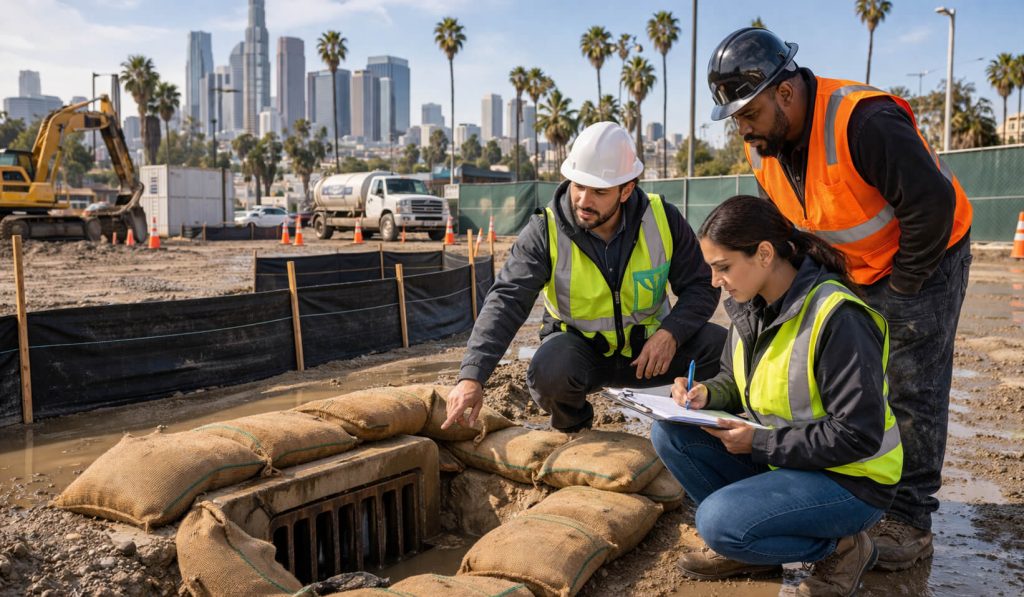
Hiring the right support for SWPPP Los Angeles projects should make compliance easier, not more confusing. Yet many contractors are unsure where the consultant’s role ends and what their own team must manage daily. A SWPPP is not just a document—it is an active system that requires coordination between planning, reporting, and field execution. From […]
SWPPP Los Angeles Compliance Checklist for SMARTS & BMP Rules

If you are building in Los Angeles, you already know compliance is not optional. One missing document or poorly maintained BMP can trigger delays, fines, or failed inspections. That is where SWPPP Los Angeles requirements come into play. Contractors often assume a SWPPP is just paperwork, but in reality, it is a living system that […]
Stormwater Site Map Updates in California for SWPPP Compliance
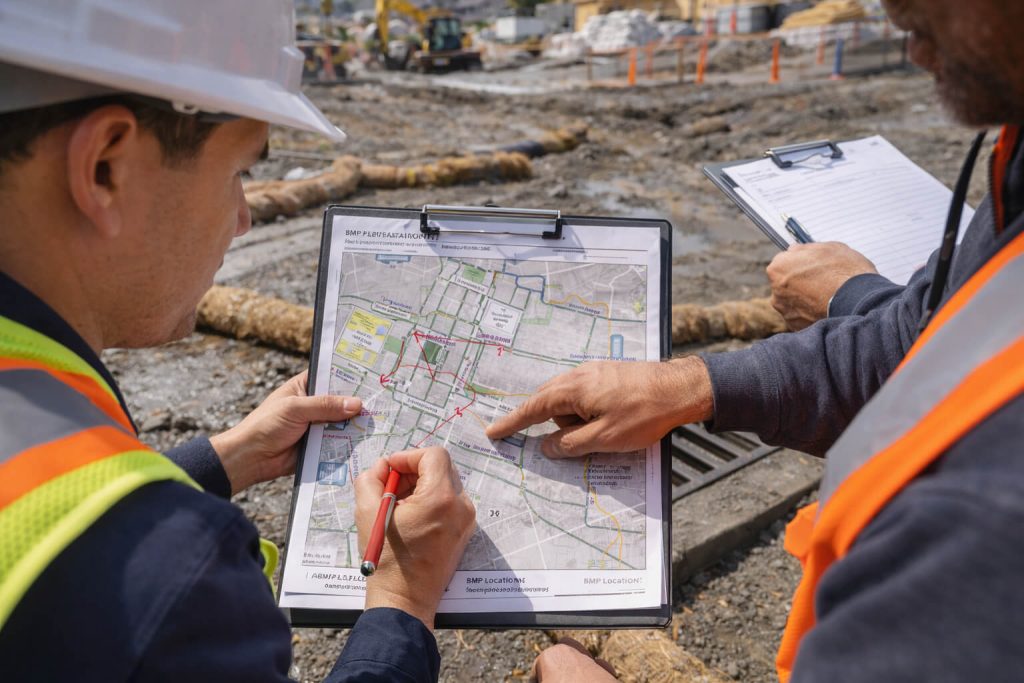
Stormwater compliance in Los Angeles moves fast. Your site evolves, crews shift, and materials relocate. But your map? It often stays frozen in time. That is where problems begin. Under stormwater site map requirements, Los Angeles, maps must reflect current field conditions, not last month’s layout. Inspectors review them closely, and SMARTS reporting depends on […]
Stormwater BMP Maintenance Logs to Prevent Repeat Findings
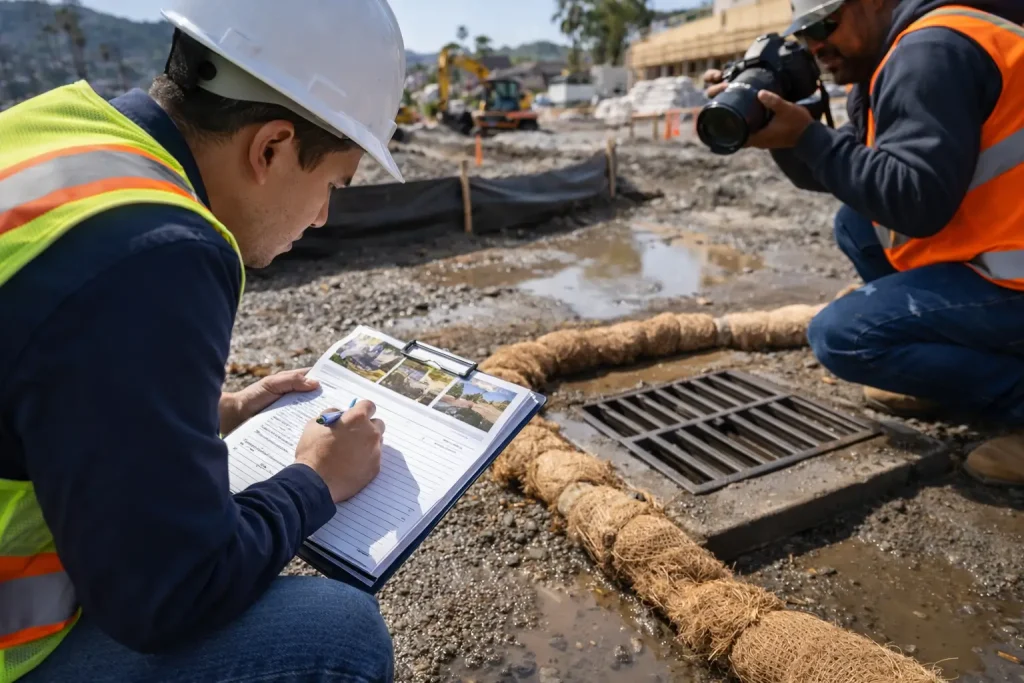
Stormwater inspections rarely fail because facilities ignore pollution controls. Most repeat findings happen for a simpler reason: poor documentation. When inspectors review records, they expect clear proof that Best Management Practices are maintained, monitored, and corrected when needed. Without organized records, even well-maintained sites can appear noncompliant. A reliable stormwater BMP maintenance log solves that […]
NAL Exceedance ERA Level 1 & Level 2 IGP Compliance Explained
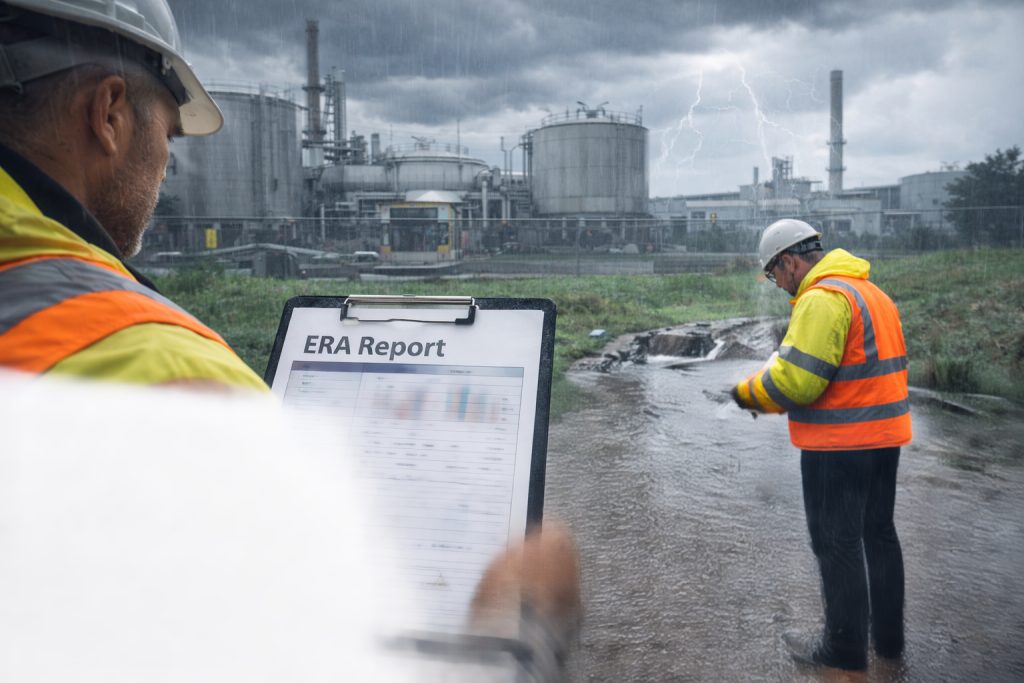
Exceeding a numeric action level never feels small, especially under California’s Industrial General Permit. Once results post in SMARTS, facilities often panic, unsure of what happens next or how serious the situation is. A NAL exceedance response action California IGP process follows clear steps, but confusion around Level 1 versus Level 2 requirements causes unnecessary […]
California SMARTS Construction: NOI, COI, Annual & NOT Steps

Construction projects don’t stall because of grading or weather alone. Many delays start inside California’s SMARTS system. Submittals that look simple on paper often cause weeks of rework when something is missed or entered incorrectly. A SMARTS construction NOI California filing sets the foundation for permit coverage, reporting deadlines, and inspection timelines. This guide breaks […]
Low Erosivity Waiver (LEW) for Construction: Eligibility & Filing
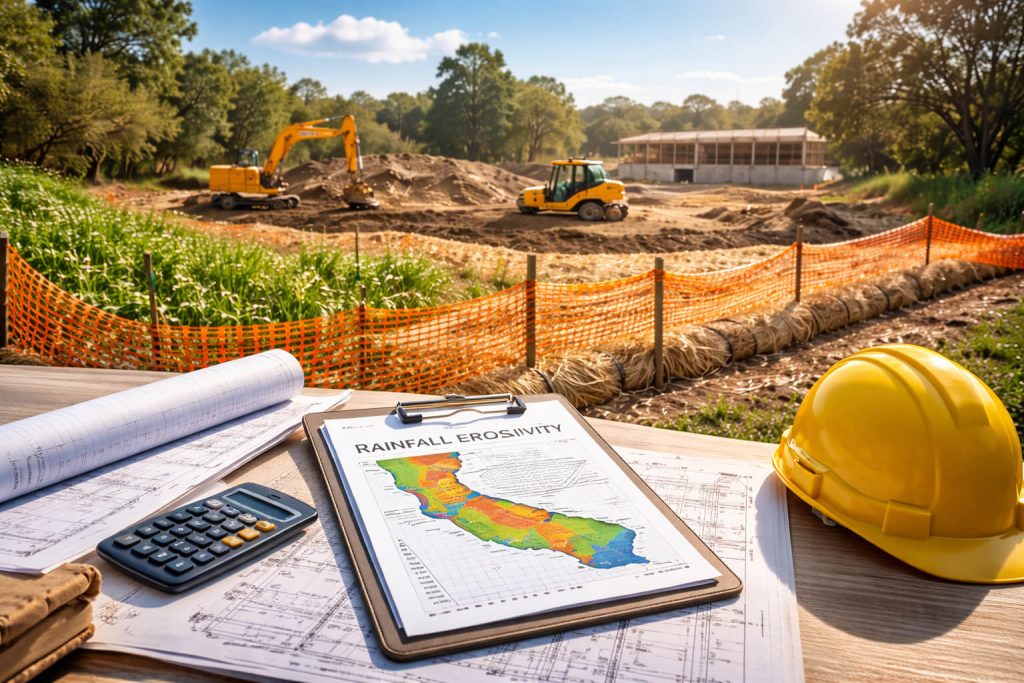
Small construction sites often assume stormwater permits only apply to big jobs. That assumption causes problems. The low erosivity waiver LEW construction California option exists for projects disturbing limited acreage during low rainfall periods. This waiver can remove Construction General Permit coverage, but only when specific criteria are met. This guide explains how the LEW […]
Qualifying Precipitation Event Requirements for 2022 CGP Los Angeles
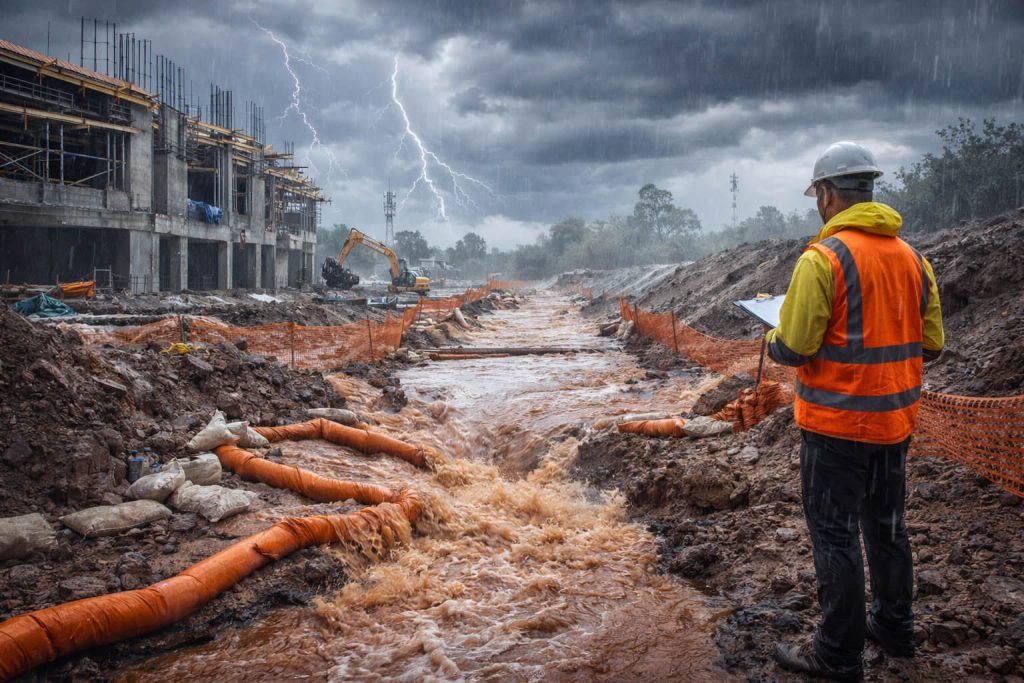
Storms don’t just test erosion controls. They test compliance. Under California’s 2022 Construction General Permit, rain events trigger strict inspection rules that many contractors misunderstand until it’s too late. A qualifying precipitation event (QPE) inspection, California sites must follow has clear timing requirements before, during, and after rain. Miss one window, and documentation gaps can […]
Why Every Construction Project Needs a Stormwater Plan
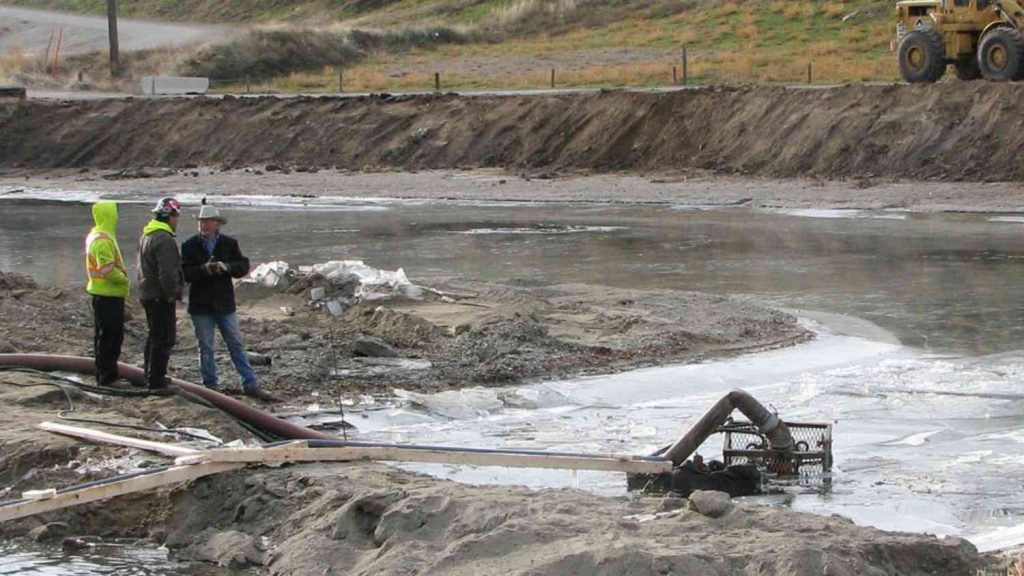
For most construction crews, the focus is on concrete pours, framing deadlines, and moving dirt before the next storm hits. But regulators and inspectors see something else: the potential for mud, sediment, and pollutants to flow off-site and into local waterways. That’s why every construction site in California — and across the U.S. — is […]