
Region 4 CII Permit 5-Acre Threshold: Does Your Property Need Coverage?
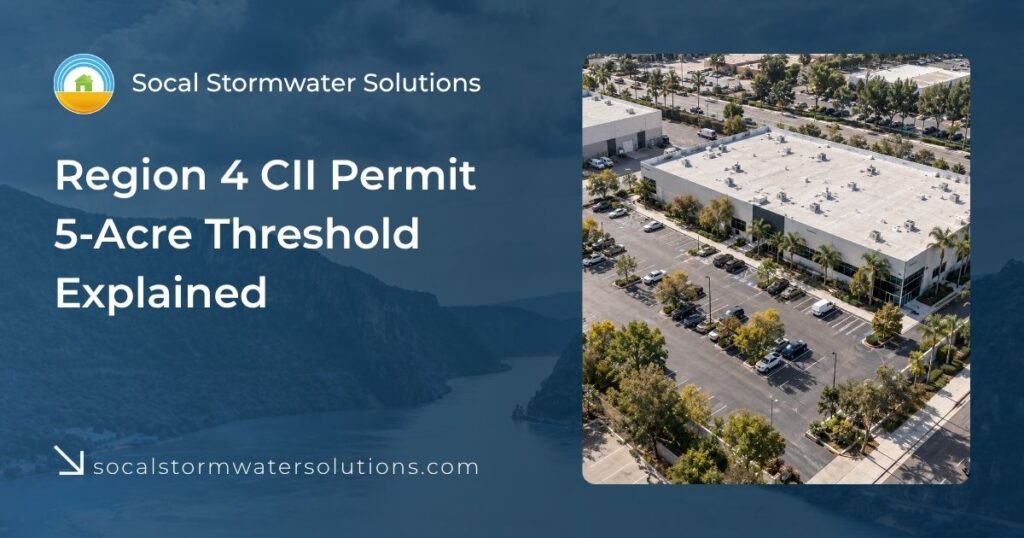
The CII Permit 5-acre threshold does not use one calculation for every commercial, industrial, or institutional property. The correct measurement depends first on whether the site is covered by another NPDES stormwater permit. One facility may need to measure impervious surfaces, while another must evaluate its total area. A property must also fall within the […]
Common Stormwater Sampling Errors (And How to Avoid Numeric Effluent Limitation Violations)
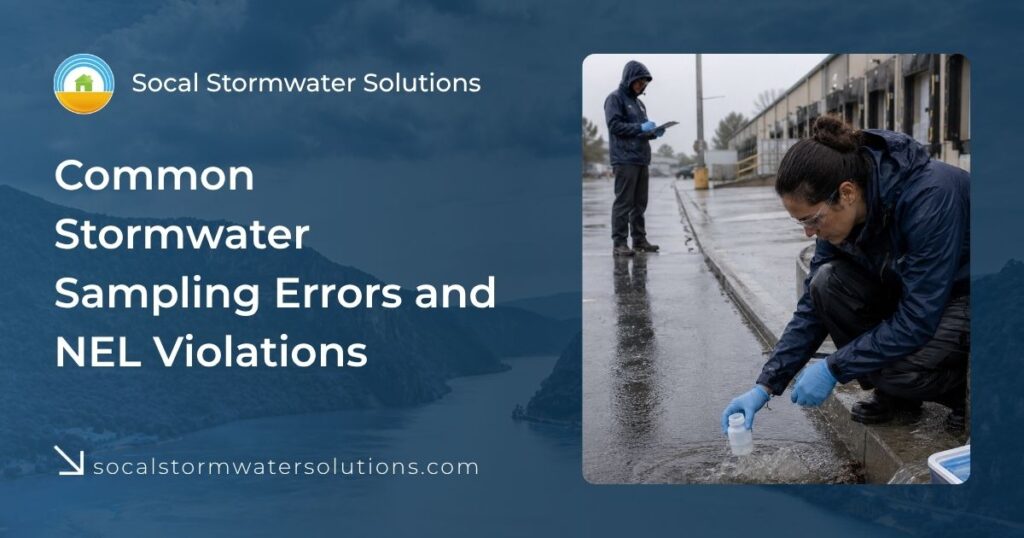
Stormwater sampling errors do not begin and end with the bottle. A result can become unreliable or incorrectly interpreted when a facility applies the wrong permit requirement, samples a non-qualifying event, uses an unrepresentative discharge location, misses the collection window, breaks the chain of custody, requests the wrong laboratory method, or reports the data incorrectly […]
Step-by-Step Guide to Filing Your Stormwater Annual Report in SMARTS
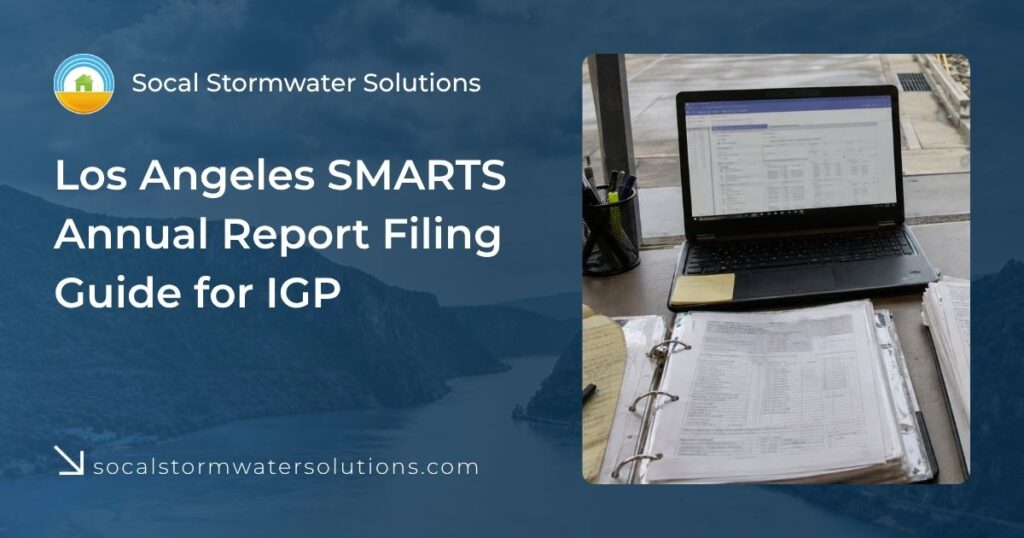
The SMARTS Annual Report is due July 15 for the preceding Industrial General Permit reporting year, which runs from July 1 through June 30. Filing is not simply a matter of opening the Storm Water Multiple Application and Report Tracking System (SMARTS) and completing a form; the facility should first review year-round Ad Hoc Monitoring […]
Preparing for a Qualifying Precipitation Event (QPE): A Stormwater Sampling Checklist
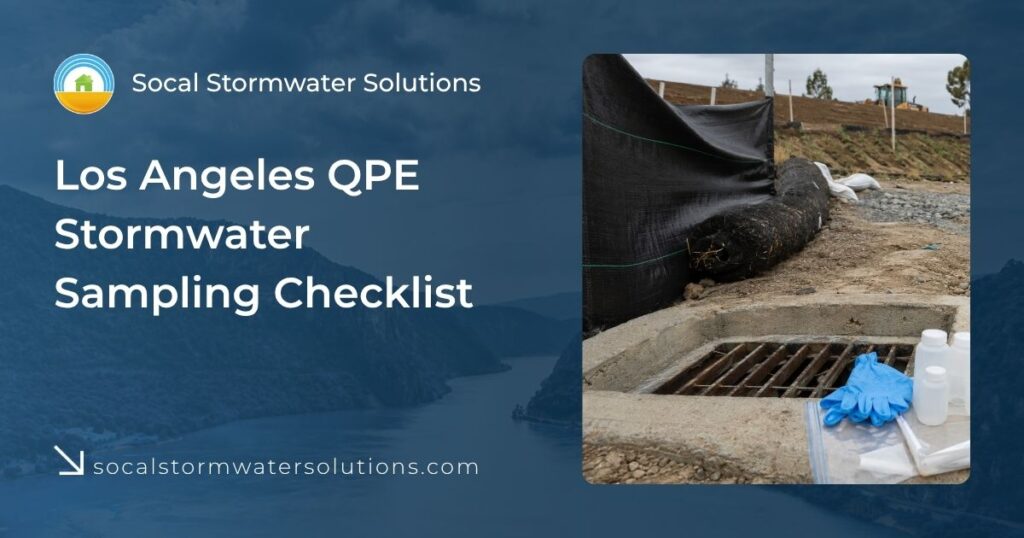
An approaching forecast raises an immediate compliance question: does the forecast satisfy the permit’s Qualifying Precipitation Event (QPE) criteria under California’s current Construction General Permit, and what does that require for this project? The 2022 permit uses QPE terminology, but inspection, stormwater monitoring, and sampling duties are not identical across all permitted sites. The required […]
Industrial General Permit (IGP) Compliance Guide for California Facilities
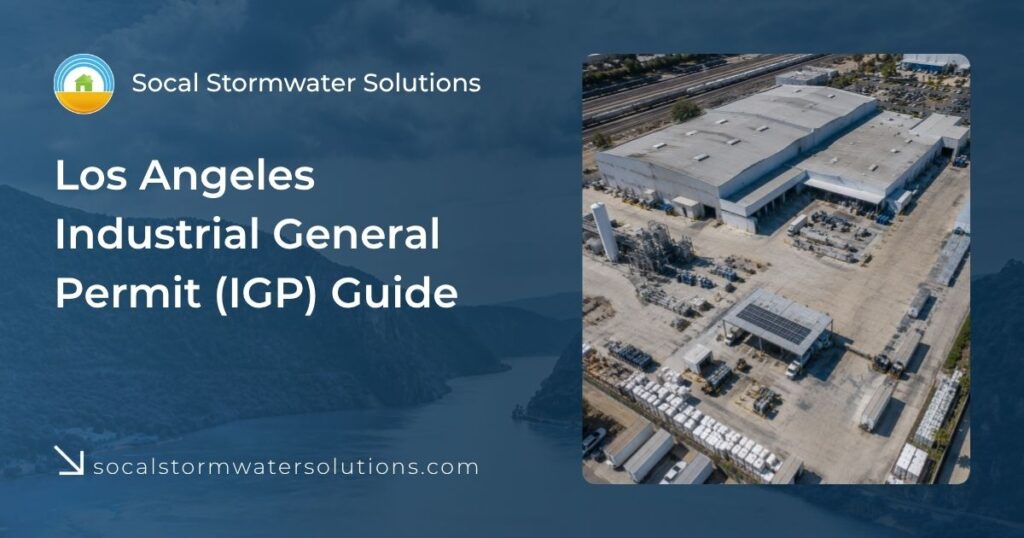
California’s Industrial General Permit (IGP) establishes the statewide framework for facilities that discharge stormwater associated with regulated industrial activities. It governs permit enrollment, Stormwater Pollution Prevention Plan (SWPPP) implementation, monitoring, sampling, and electronic reporting through SMARTS. The current permit, Order 2014-0057-DWQ (as amended), remains administratively continued until a replacement permit becomes effective. Whether coverage applies […]
Stormwater Training for Industrial Employees: Meeting IGP Requirements
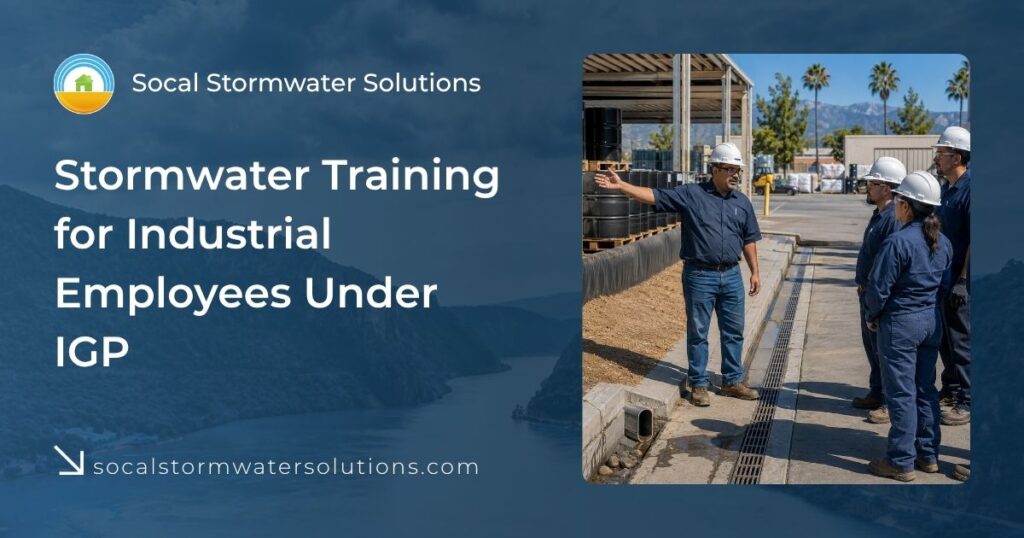
Employee stormwater training under California’s Industrial General Permit (IGP) is an operational process within the California Industrial Stormwater Program that connects facility responsibilities, employee practices, SWPPP documentation, and stormwater management procedures. For plant managers and EHS teams, a structured training approach helps organize responsibilities, maintain records, and align daily activities with applicable Industrial General Permit […]
The Role of a QISP: Why Your Industrial Facility Needs a Qualified Practitioner
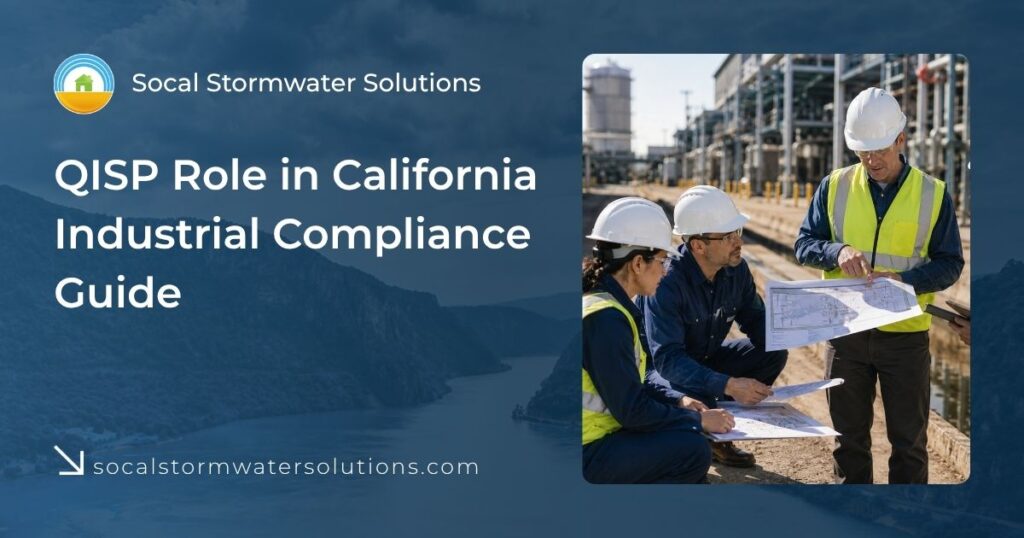
A Qualified Industrial Stormwater Practitioner (QISP) provides specialized technical support under California’s Industrial General Permit and is required for specified permit activities, including Level 1 and Level 2 Exceedance Response Actions. QISP assistance is also required for certain new dischargers determining coverage eligibility when industrial stormwater discharges reach an impaired water body. For plant managers […]
How to Handle a Numeric Action Level (NAL) Exceedance for Industrial Facilities in California
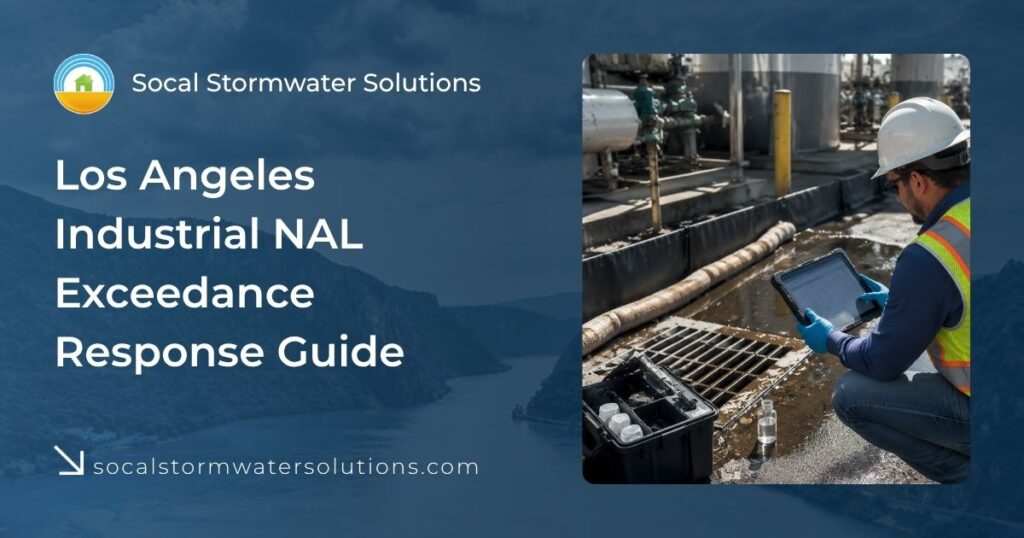
Discovering a Numeric Action Level exceedance at an industrial facility in Los Angeles can create operational uncertainty for plant managers, facility operators, EHS teams, and civil engineers. Under California’s Industrial Stormwater Program and Industrial General Permit, the same ERA and SMARTS requirements may also affect facilities in Orange, Anaheim, Santa Ana, Irvine, Riverside, San Bernardino, […]
The Contractor’s Guide to California Construction General Permit (CGP) Compliance
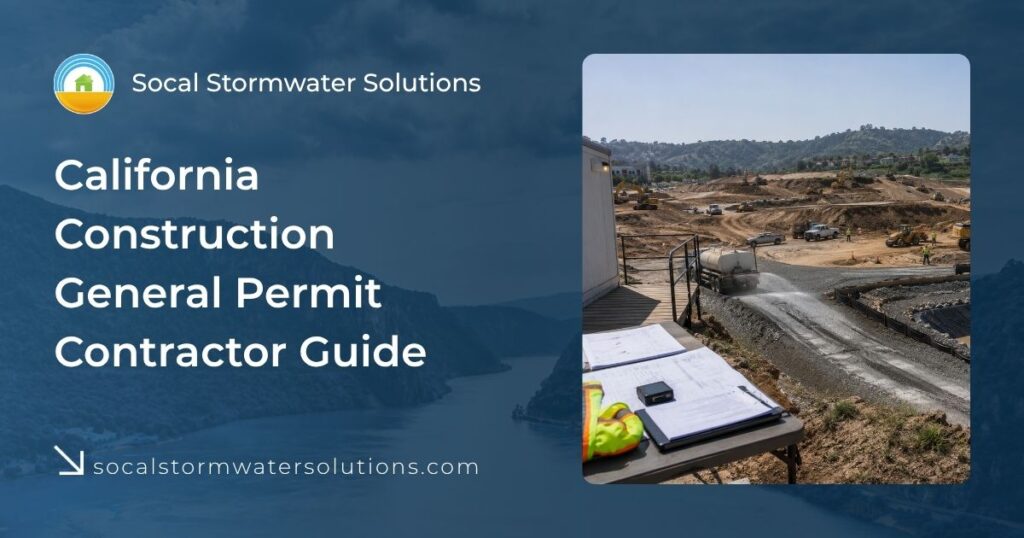
The Construction General Permit establishes the statewide framework for many California construction projects subject to CGP requirements. For general contractors, project managers, and superintendents, understanding how the current permit applies can help support pre-construction planning, field sequencing, inspection readiness, and day-to-day coordination throughout active construction. Meeting permit responsibilities extends beyond preparing a Stormwater Pollution Prevention […]
Caltrans Stormwater Compliance: WPCP and SWPPP Basics
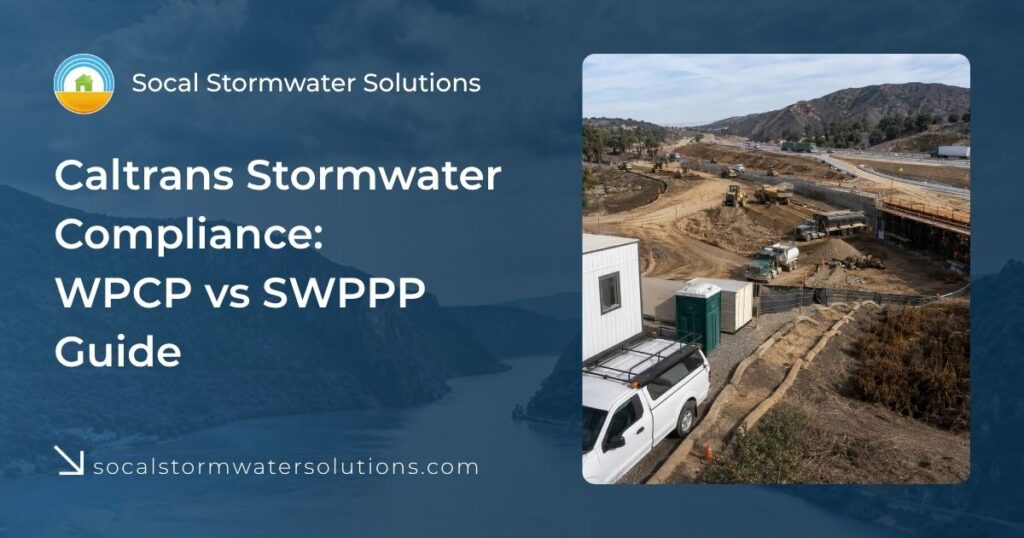
Caltrans Stormwater Compliance is governed through field-level requirements defined in Caltrans Standard Specifications Section 13, which sets operational expectations for implementing water pollution control measures during active roadway construction. These requirements are integrated into construction sequencing and daily site operations. Stormwater documentation on Caltrans projects is generally structured through Water Pollution Control Programs (WPCPs) or […]